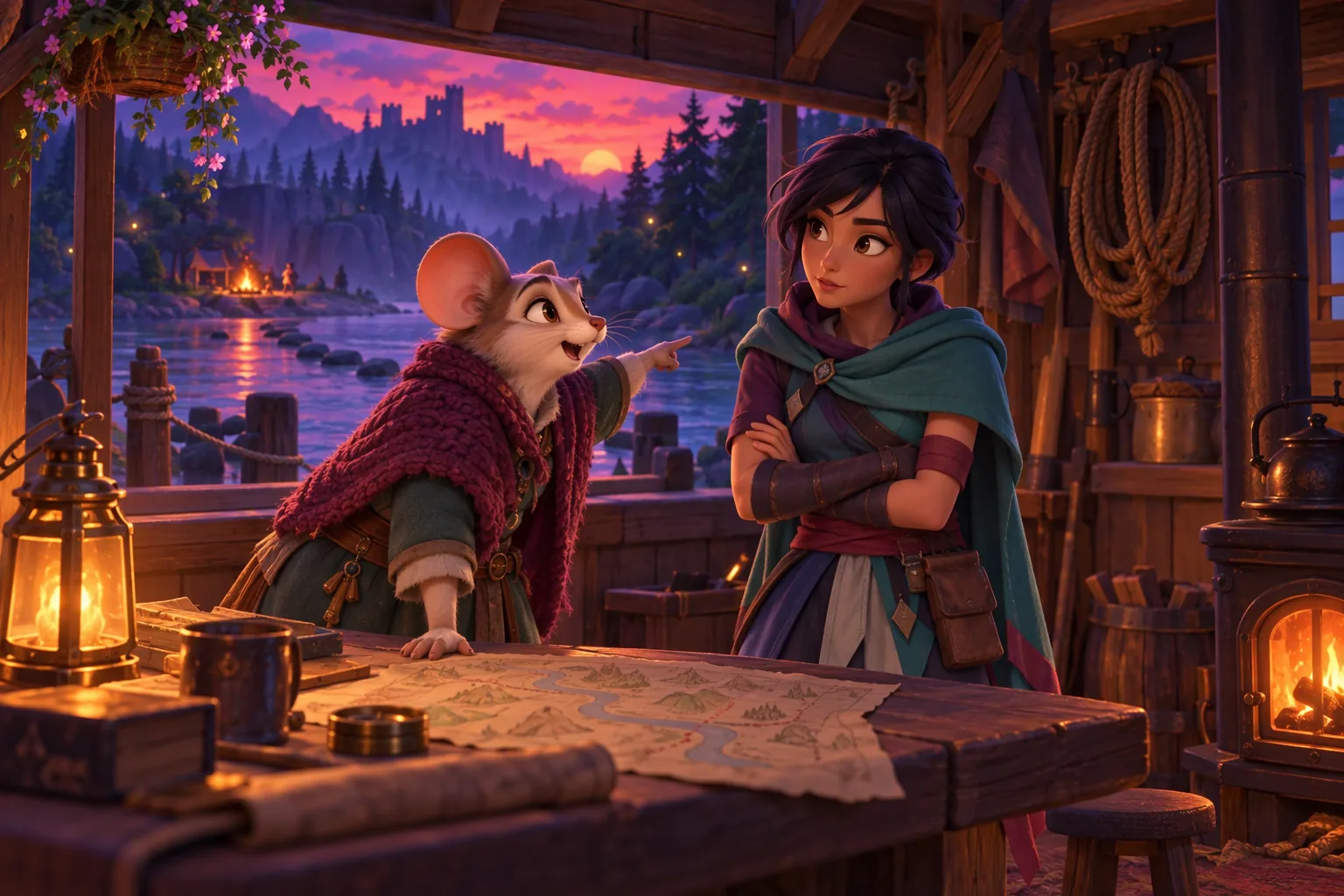
I tell Garro the ford isn’t his to sell, and that Oda will pay his men to clear off.
Garro’s face falls. Ashamed, he bows and leads his men away into the night. The ford is yours!
No roll, no cost, no story.
 Upon Tales
A solo tabletop RPG in the valley of Riverlight
An AI game master tells the tale and plays everyone you meet. The engine rolls the d12, sets the stakes before it lands, and keeps every coin, wound and promise.
Free to join, no card. Founding players get 50% off for life.
Why it’s different
A storyteller that only wants to please agrees with whatever you type, so nothing you win feels won. Here the master names the stakes before you roll, the die decides, and the world keeps what it cost.
I tell Garro the ford isn’t his to sell, and that Oda will pay his men to clear off.
Garro’s face falls. Ashamed, he bows and leads his men away into the night. The ford is yours!
No roll, no cost, no story.
I tell Garro the ford isn’t his to sell, and that Oda will pay his men to clear off.
“Oda’s copper? Oda can come and pay it herself.” Garro doesn’t budge, but the skinny one by the fire looks away when you say her name.
How a turn works
A real fight, with the game’s own rules
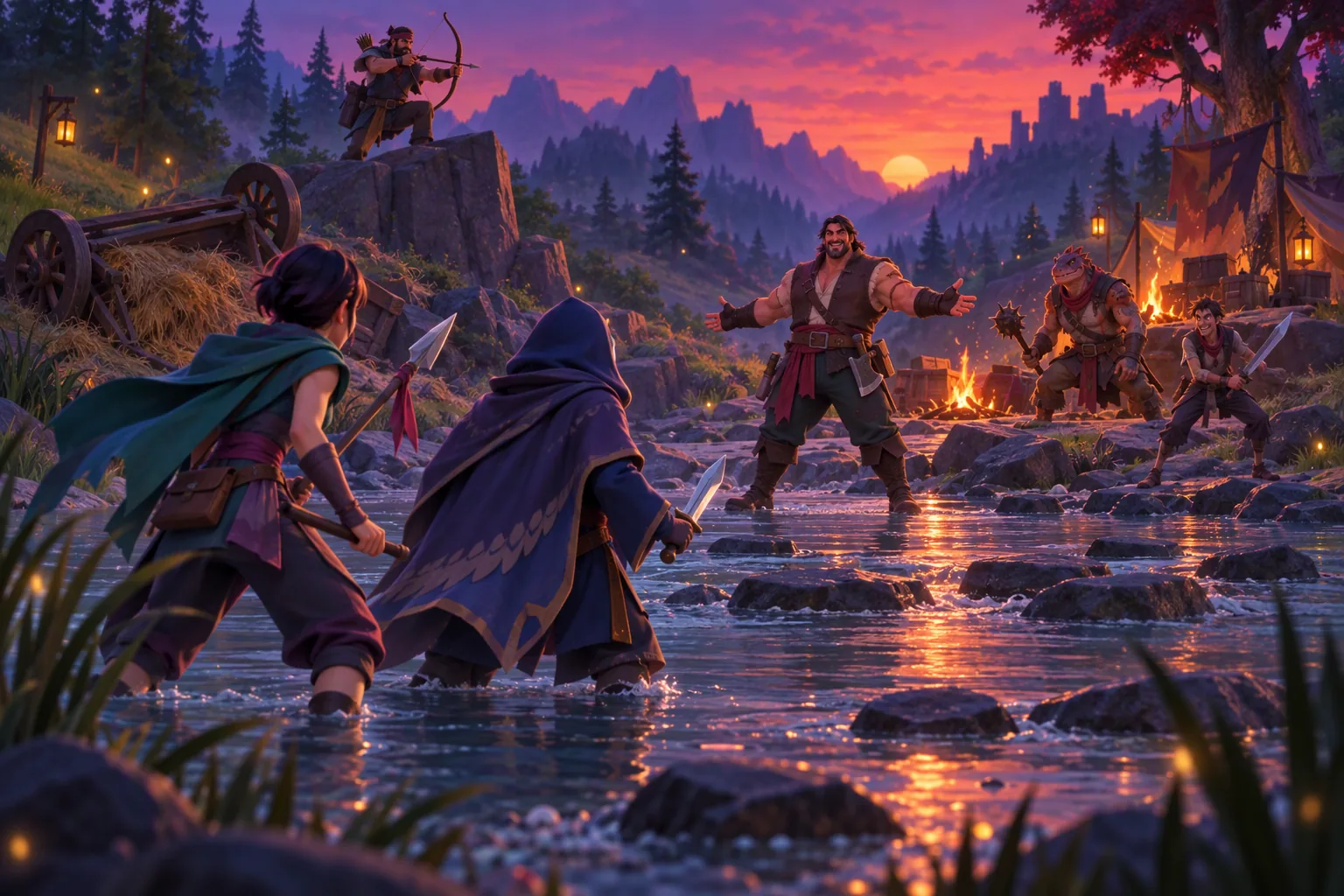
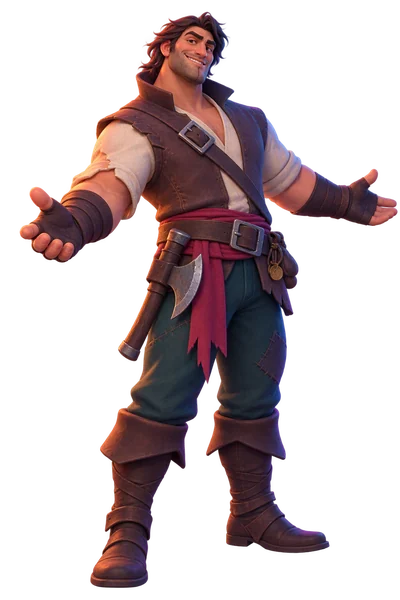
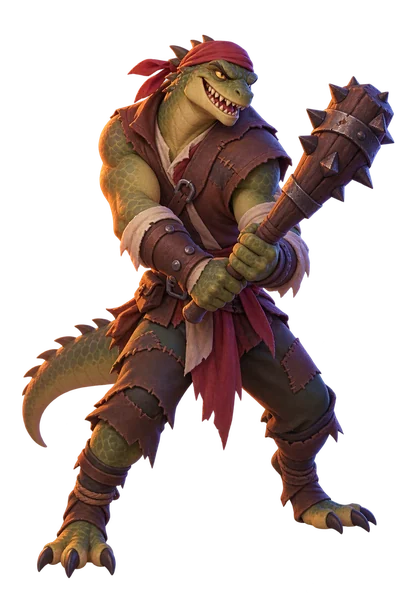
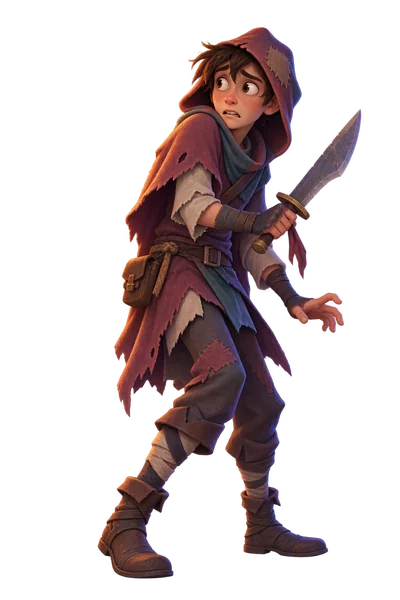
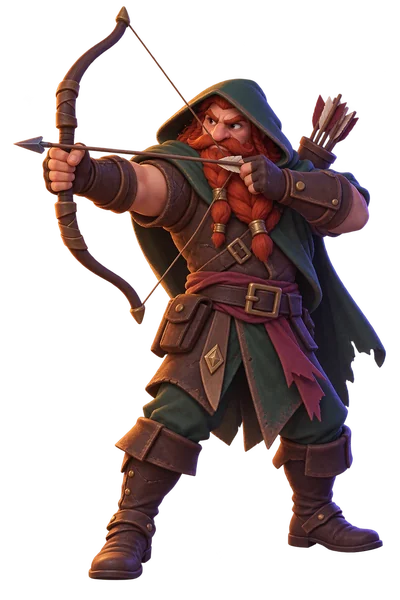
Garro Spina wants five copper to let you cross. Mira Folco wants the ford free. Here is the first round on the real battlefield: cover, initiative, a d12 you roll yourself, and brigands who roll back.
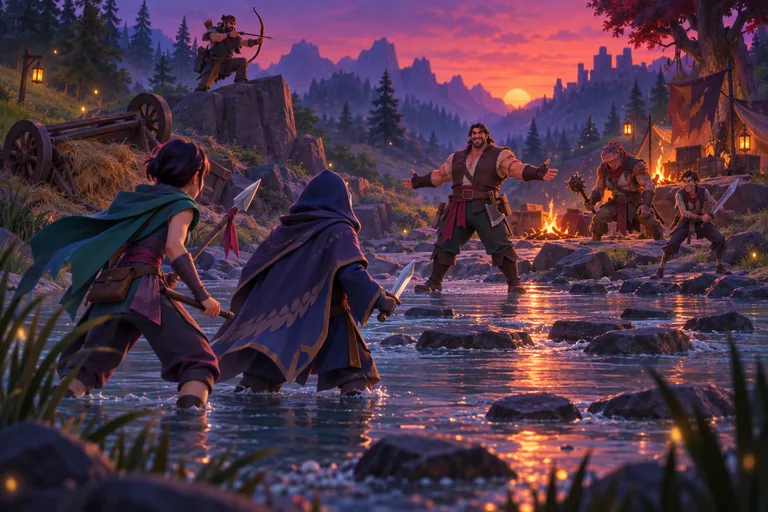
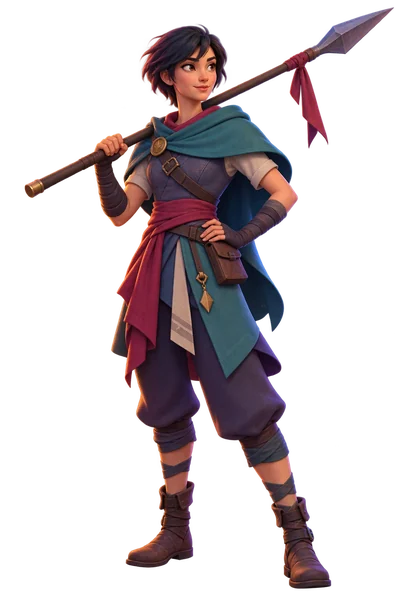
The path from the ferry hut ends on the wet stones of the Mill Ford. Mira walks a step behind you, spear on her shoulder. An overturned cart blocks the bank, an archer waits on the high rock, and two brigands get up from their fire.
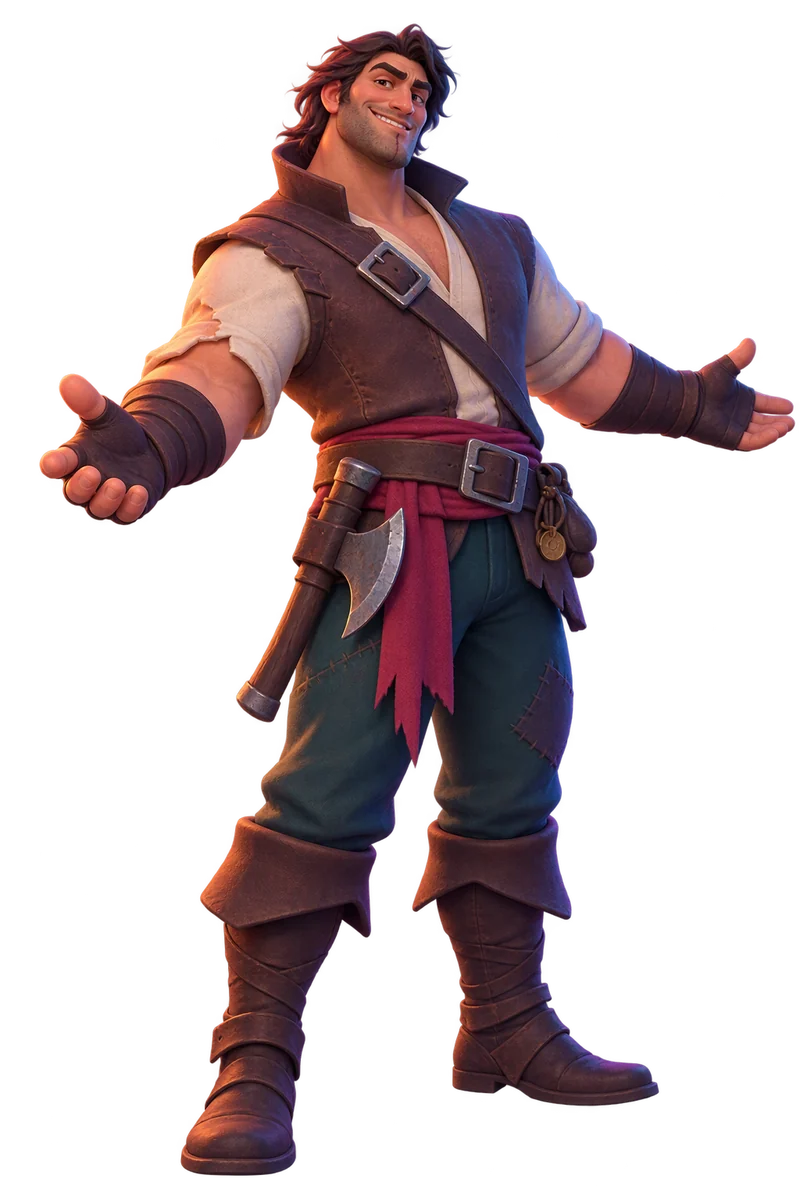
Garro SpinaMira Folco, what an honour. And you brought a friend. The ford costs five copper today. Pay and cross, or go back to Oda and tell her the river is closed.
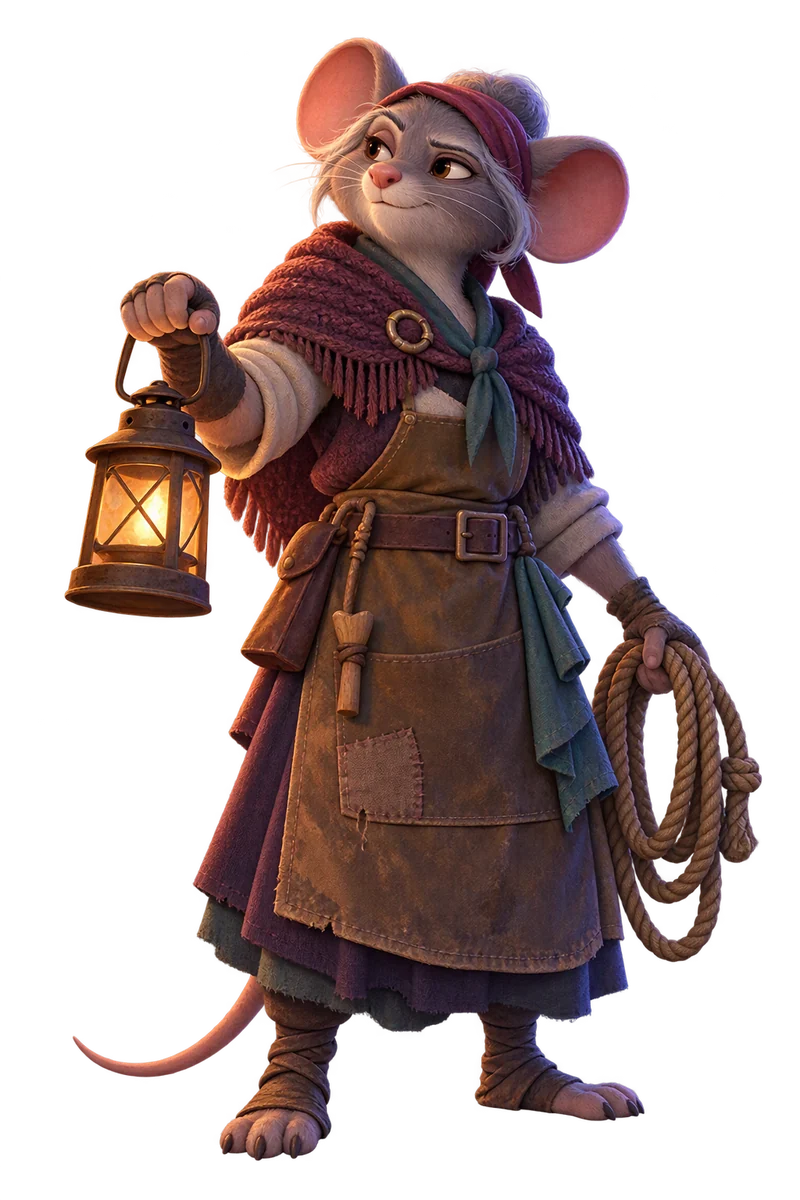
Mira FolcoOda wants the ford free, Garro. Not a toll. Your call, traveller. I’m with you.
What do you do?
A demo of the first round with the game’s own rules, numbers and dice. We wrote these lines; in the game the master writes every line, and every fighter acts.
Consequences
Every road out of the ford is real, and each one leaves the world different. Pick one. The engine keeps the receipt.
Five copper, no blood.
The payment is on the record. You and Mira are across, but the ford is still Garro’s, and Oda is still waiting.
And whichever road you take, the clock runs. Every check costs time; at 16, night falls on the river and you cross by lantern light.
The journal
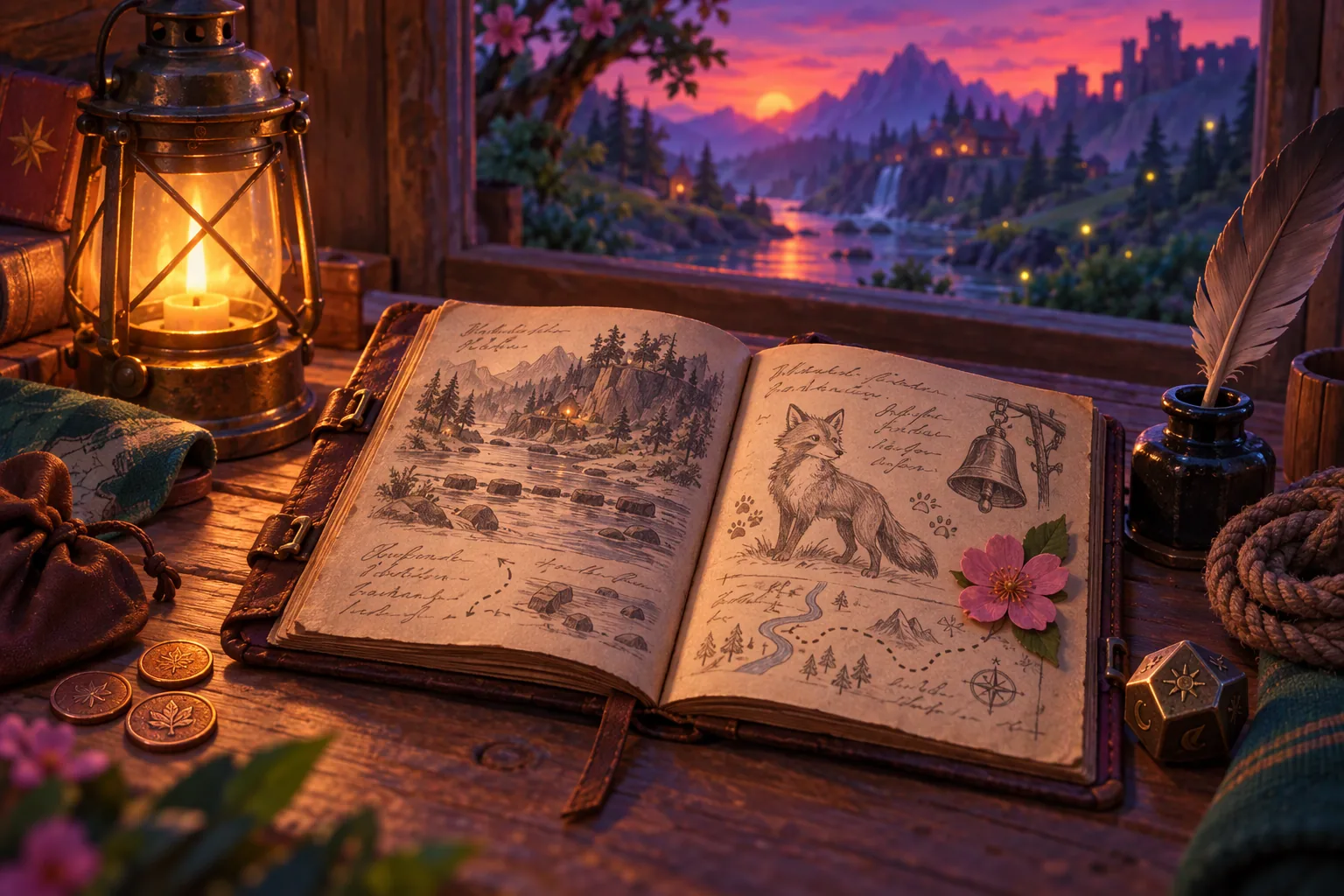
Your journal keeps what you’ve discovered and every promise still open, and the terms of a promise can’t be quietly rewritten. The campaign saves after every step: close the tab, and the river is where you left it.
What you know
Promises
Ask the master: how much copper do I have left?
Six. Paying Garro would leave you one. The story is waiting where you left it.
The tales
A river valley of small folk and big trouble. Every tale is handmade: real people with names, wants and secrets, a few places to explore, and a deadline that doesn’t wait for you.
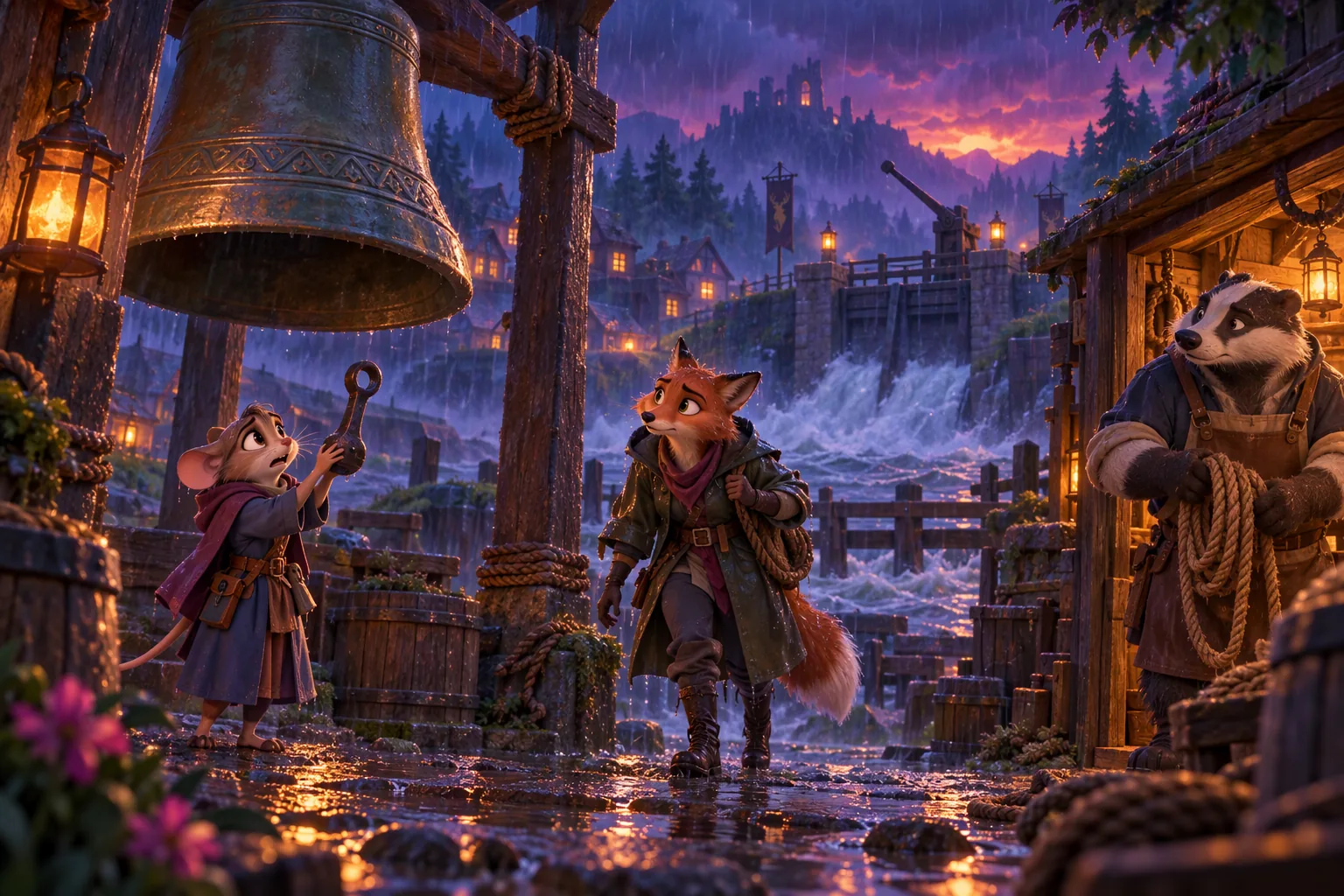
The alarm bell has lost its clapper, and the river is rising.
Mara keeps the bell and will pay to hear it ring again. Tess knows where the clapper is stuck. Orrin sells rope, or lends it, if you promise to bring it back. Someone knows more than they’re saying.
Three crates of food are late, and the carter hasn’t come back.
Pera counts before she accuses. Bram’s cart is stuck by the willow bridge, and it won’t move until someone frees the wheel. Out at the old mill, a camp of strangers is cooking supper.
A band holds the ford and asks a toll.
The tale you just played. Free the ford with Mira, any way you can: beaten, bound, persuaded or gone. The willow path north has its own danger.
On the willow path
Dangerous: Courage 10. It’s fast, so you need a 9 to act before it, and it won’t parley. It wants your food, not your copper. Every creature in Riverlight has its numbers, and its reasons.
Why not just use a chatbot?
Questions
No. It’s made for playing alone. Say what you do in plain words: the master tells you when something needs a roll, and you can ask about any rule without moving the story.
No. The engine rolls every die when you click, and the stakes are fixed before the roll. The AI decides whether something is risky and tells you what the result means, but it can’t roll, reroll or change a result, and it can’t spend your Quest Points.
No. A rules engine holds the game: dice, coins, items, time, fights and secrets. AI steps plan each turn, check it against the rules and the state, and only then a separate narrator writes it, without seeing the secrets.
To understand what you mean, to judge what’s risky and pick its cost from a fixed menu, to play the people you meet, to check each turn, and to tell the story. The illustrations are made with image AI and chosen by hand. The dice, the numbers, the rules and your save are ordinary code.
Not yet. Every tale starts you as a prepared traveller: Courage 12, three Quest Points, six copper. What changes is the world: what you spent, learned and promised.
In your browser, on a computer, a phone or a tablet. Nothing to install.
We’re in closed testing. People on the waitlist get in first, in small groups, before everyone else.
Prices aren’t set yet, and nothing is charged now: no card, no trial to cancel. Founding players get 50% off any plan, for life, and we’ll show you the prices before you pay anything.
Everyone who joins the waitlist before launch is a founding player. When paid plans open, you pay half price on any plan for as long as your subscription stays active.
Your email is for your invitation and a few notes along the way. Your answers shape your preview and help us plan the first invitations. We never sell or share them, and you can leave with one click.
Founding players · 50% off for life
Three tales in Riverlight, a d12 that means it, and a master who keeps the books. Join now and you’re among the first in.
Free to join, no card. Founding players get 50% off for life.